Bus Branding: How to Turn City Streets Into Your Biggest Marketing Opportunity
Instead of placing your brand on another screen, bus branding takes your message onto the streets where your customers already live, work, shop and commute. A branded bus can travel through residential neighbourhoods, commercial areas, business districts, markets and major traffic corridors throughout the day.
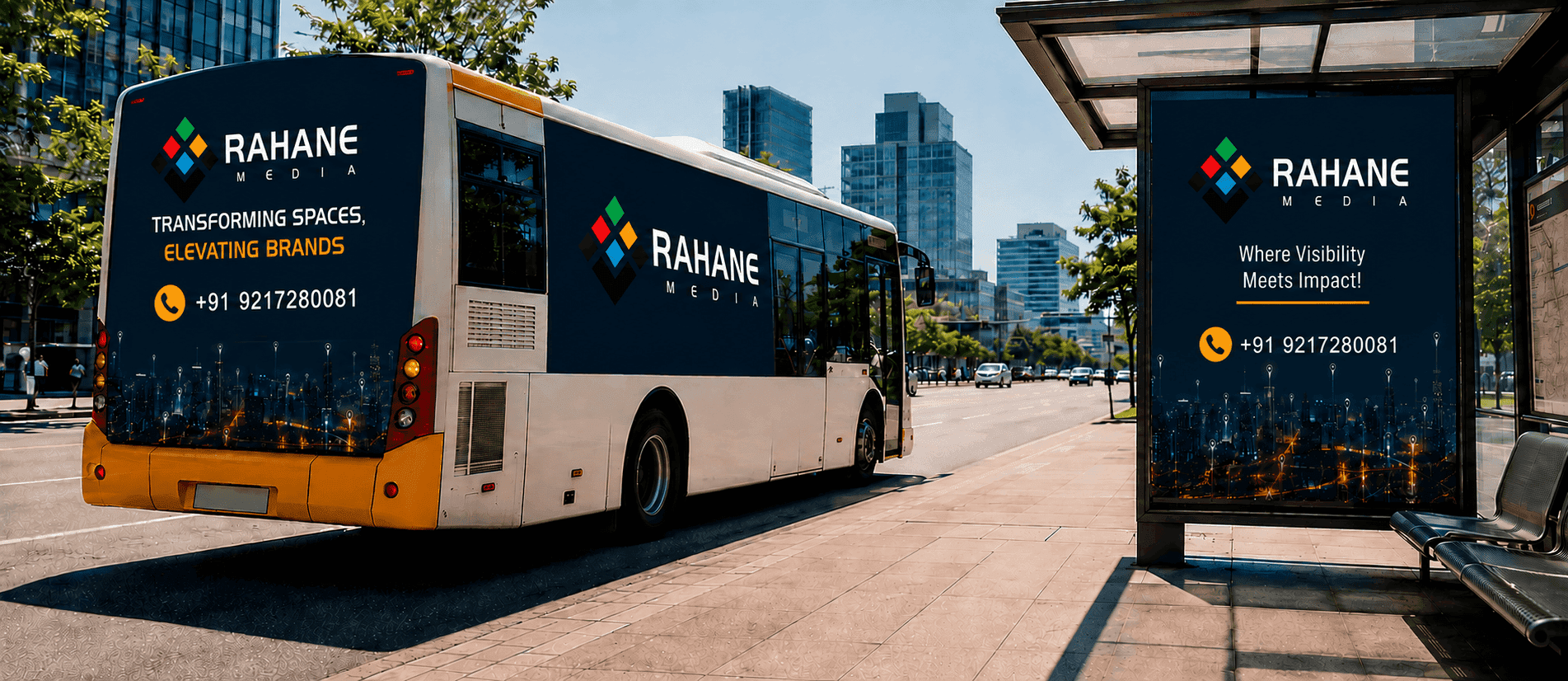
Digital advertising can reach thousands of people, but getting them to remember your brand is becoming increasingly difficult.
Consumers see ads across social media, search engines, streaming platforms, websites and mobile apps every day. With so many messages competing for attention, people can easily scroll past an advertisement or simply stop noticing it.
That is where bus branding offers a different opportunity.
Think of it as a moving outdoor advertising space that takes your brand to multiple locations.
For businesses looking to increase local visibility, build stronger brand recall, and reach a specific geographic audience, bus branding is a powerful outdoor advertising solution. Ready to get your brand moving? Call us at +919217280081 or message us directly on WhatsApp to plan your next outdoor marketing campaign.
What Is Bus Branding?
Bus branding is an outdoor advertising method where a brand's logo, message, campaign creative or promotional content is displayed on a bus.
Depending on the campaign objective and budget, advertisers can brand the entire vehicle or use specific sections such as the side panels, rear, windows or interior areas.
Once the branding is installed, the bus continues along its regular routes. This allows one advertising placement to reach people across multiple locations rather than remaining fixed in one place.
For example, a real estate company could use bus advertising on routes connecting residential communities with major employment hubs. A restaurant could target routes passing through commercial and entertainment areas, while an education brand could focus on routes near colleges and student-heavy neighbourhoods.
This combination of mobility, visibility and geographic targeting is what makes bus branding useful for local and city-level campaigns.
The Effectiveness of Bus Branding in Outdoor Advertising
Getting your brand noticed requires more than simply reaching a large audience. The message also needs to remain visible long enough to create recognition.
Bus branding provides a physical presence that digital advertisements cannot replicate. A branded bus moves through the areas your audience already travels through, giving people repeated opportunities to see the same campaign.
A commuter might notice your brand during their morning journey, encounter the same bus near their workplace later in the week and see it again while visiting a shopping area.
This repeated exposure can help strengthen brand recognition over time.
Key advantages of bus branding in outdoor advertising include:
Strong Brand Recall: Large-format advertising creates a prominent physical presence that can remain memorable after the vehicle has passed.
Wide Geographic Reach: A branded bus can travel through several neighbourhoods, commercial areas and high-traffic routes during its operating hours.
Consistent Visibility: The campaign remains visible without requiring users to click, search or interact with an advertisement.
Broad Audience Reach: Bus advertising can reach commuters, pedestrians, motorists and shoppers in the same geographic area.
Geographic Targeting: Brands can select routes that pass through areas where their target customers are concentrated.
Repeated Exposure: Regular route coverage can give audiences multiple opportunities to encounter the same campaign.
The effectiveness of bus branding is therefore not just about the size of the advertisement. It comes from combining visibility, movement, location and repetition.
How Bus Branding Turns Public Transport Into Mobile Billboards
The basic concept is straightforward.
Your campaign creative is printed or applied to selected areas of a bus. Depending on your requirements, you can choose complete vehicle branding or focus on high-visibility sections.
The branded vehicle then continues operating along its assigned routes.
For a residential project, for example, a bus campaign can take the property message through areas surrounding business districts, residential communities and shopping zones. Instead of reaching people at one fixed location, the campaign can move with the city's daily traffic.
This makes bus advertising particularly useful for businesses targeting specific cities, neighbourhoods or customer groups.
Choosing the Right Bus Advertising Format
Different campaigns need different formats. The right bus advertising format depends on your campaign objective, audience, budget, route coverage and desired visibility.
Full Bus Wrap Advertising
A full bus wrap covers a large portion of the vehicle and creates a strong visual presence.
The sides, rear and other approved exterior areas can carry the campaign creative, turning the vehicle into a moving advertising surface.
Full-wrap bus branding is suitable for product launches, real estate campaigns, consumer brands, entertainment promotions, retail campaigns and city-wide awareness campaigns.
Partial Bus Branding
Partial branding covers selected sections instead of the entire vehicle.
It can provide strong visibility while helping businesses manage campaign costs. It can also be useful when a brand wants to test bus advertising in a particular market before expanding the campaign.
Bus Side Panel Advertising
The side panels provide a large advertising surface visible to pedestrians, motorists and people travelling alongside the bus.
Bus side panel advertising works well for campaigns that rely on strong visuals, short messaging and prominent brand placement.
Bus Back Panel Advertising
Bus back panel advertising places the campaign on the rear of the vehicle, making it visible to motorists travelling behind the bus.
The creative should use large, readable text, a clear visual hierarchy and a simple call to action.
Bus Window Advertising
Where permitted by the transit operator, approved window areas can be used to extend the campaign across the vehicle.
Bus window advertising can complement exterior branding and create a more complete visual identity.
Bus Interior Advertising
Bus interior advertising reaches passengers while they are travelling. Depending on available inventory, this can include interior panels, posters and digital screens.
Because passengers may have more time to view the advertisement, interior placements can work well when a campaign needs to communicate more information.
Bus Shelter and Bus Stop Advertising
Bus shelter advertising places your message where commuters wait for their bus. Since people can spend time at these locations, the advertisement can receive longer viewing opportunities than a moving vehicle.
Bus stop advertising and bus stop panels can also provide fixed advertising points along frequently travelled routes.
These formats can work particularly well for retail, restaurants, education, healthcare, financial services and local businesses.
Transit Fleet Branding
Businesses targeting a larger geographic area can brand multiple vehicles within a transit fleet.
Instead of relying on one bus, a fleet campaign can increase route coverage and create more opportunities for repeated brand exposure.
Digital Screens Inside Buses
Where digital inventory is available, brands can use screens inside buses for short videos, promotional messages and dynamic content.
This can complement exterior bus branding by providing passengers with more detailed information during their journey.
Combining Multiple Formats
Brands can also combine formats instead of relying on one placement.
A campaign could use full or partial bus branding alongside bus back panels, bus shelters, bus stops, interior advertising or digital transit screens.
The best combination depends on where your audience travels, how often they encounter the medium and how much information the campaign needs to communicate.
Using Bus Branding for Local Geotargeting
One of the strongest advantages of bus branding is the ability to focus on specific geographic areas.
You do not necessarily need to cover an entire city. Instead, you can select routes that pass through areas where your customers are most likely to be.
For example:
Real estate: Target routes connecting residential areas with employment hubs.
Restaurants: Focus on commercial, shopping and entertainment districts.
Education: Select routes near colleges, schools and student-heavy neighbourhoods.
Retail: Concentrate on shopping areas and high-footfall markets.
Healthcare: Target routes connecting residential communities with medical hubs.
This makes bus branding more strategic than simply placing a logo on a vehicle. The route itself becomes part of the campaign strategy.
Designing Bus Ads for Visibility and Readability
A bus ad needs to communicate quickly.
Unlike a magazine advertisement or webpage, the viewer may only have a few seconds to see the creative. The bus may be moving, the viewer may be moving, or both may be in motion.
That means clarity should be the priority.
Effective bus advertising design should include:
A short headline: Communicate the main idea quickly.
High-contrast colours: Make text easy to read in different lighting conditions.
Large typography: Use simple, bold fonts that remain readable from a distance.
One strong visual: Avoid filling the creative with multiple competing images.
Limited supporting text: Include only information that is essential.
Clear branding: Make the brand name or logo easy to recognise.
A simple call to action: Give viewers one clear next step.
Readable contact information: Avoid long URLs and unnecessary details.
The goal is not to communicate everything about your product or service. It is to make the brand recognisable, deliver one clear message and give the audience a reason to remember it.
How to Measure Bus Branding ROI
Measuring outdoor advertising requires a different approach from measuring digital campaigns.
You can connect your bus branding campaign with digital and offline indicators such as:
Branded Search Growth
Monitor whether searches for your company, product or campaign increase during and after the campaign.
Dedicated Landing Pages
Use a campaign-specific URL to track visitors and enquiries associated with the campaign.
QR Codes
A QR code can connect a physical bus advert with a digital destination such as a product page, offer or enquiry form.
Promotional Codes
A campaign-specific code can help identify responses generated during the campaign.
Geographic Performance
Compare website traffic, enquiries and sales from areas covered by the campaign with areas where it was not active.
Lead Volume
Track calls, form submissions, store visits and other enquiries during the campaign period.
The objective is not to measure outdoor advertising exactly like a search campaign. Instead, combine campaign exposure with business results to understand its overall contribution.
Transport Advertising Beyond the Bus
A broader transport advertising strategy can extend beyond buses.
Depending on your audience and campaign objectives, you can combine:
Bus advertising
Transit advertising
Cab branding
Bus shelters
Bus stops
Transit stations
Fleet branding
Using multiple outdoor formats can create additional opportunities for your audience to encounter the brand throughout their daily journey.
Making Your Bus Branding Campaign More Effective
Before launching your campaign, consider five questions:
Who exactly are we trying to reach?
Which areas have the highest concentration of our audience?
Which routes can provide repeated exposure?
What message can someone understand within a few seconds?
How will we measure the campaign's impact?
These questions help prevent a common outdoor advertising mistake: selecting available inventory instead of selecting media based on the audience and campaign objective.
Effective bus branding starts with understanding the audience and then choosing the right routes, formats and creative.
Plan Your Bus Branding Campaign with Rahane Media
Running a successful bus advertising campaign involves much more than putting a creative wrap on a vehicle. From choosing the right routes and formats to managing production, installation, and maintenance, every part of the process can affect your campaign’s reach and ROI. When these elements work together under one strategy, bus advertising becomes more than a simple ad placement—it becomes a strong and consistent brand presence.
Businesses looking to expand their physical visibility often rely on a complete transit media strategy that includes:
Route and Location Planning: Selecting routes that align with your target audience’s daily movement and reach high-traffic areas.
Full and Partial Vehicle Branding: Choosing full wraps or partial wraps based on your campaign goals, budget, and desired visibility.
Bus Back Panel Advertising: Reaching motorists, commuters, and pedestrians who see the rear of buses in busy traffic.
Bus Shelter Advertising & Transit Media: Connecting with pedestrians and waiting passengers at high-footfall locations and transit hubs.
Creative Adaptation & Production: Adapting designs for outdoor use with durable, weather-resistant materials and clear, high-visibility messaging.
End-to-End Campaign Execution: Managing everything from printing and installation to multi-city rollouts and campaign monitoring.
For brands targeting multiple cities or regional and national markets, managing all these activities through one unified campaign makes execution more efficient and consistent.
This is where Rahane Media comes in. As an outdoor advertising partner, Rahane Media helps brands build visibility across high-impact locations while managing the campaign from planning to execution.
Here’s why brands choose Rahane Media for their outdoor and transit advertising campaigns:
1000+ Assets as a Media Owner
Data-Driven Strategy
Creative Execution
End-to-End Service
Transparent Reporting
Pan-India Network
Turn Everyday City Movement Into Brand Visibility
Your customers are already moving through the city every day—commuting to work, visiting markets, shopping, and heading home. Bus branding puts your business directly in their everyday environment, helping you build visibility and stay top of mind throughout their daily journeys.
If you’re ready to take your brand beyond crowded digital feeds and build a stronger presence in the real world, Rahane Media can help you plan and execute a high-impact campaign based on your audience, routes, and locations.
Partner with Rahane Media to turn everyday city traffic into meaningful brand visibility and growth.
Connect With us
Whatsapp:https://wa.link/8anjlz
Call:+919217280081
Questions Brands Commonly Ask
Quick answers about billboard advertising, media locations, and campaign planning.
Whom should I connect with for Bus Branding?
You can connect directly with the team at Rahane Media. As an outdoor advertising agency, Rahane Media provides end-to-end support, from media route planning and creative design to printing, installation, and multi-city campaign execution.
How much does a bus branding campaign cost in India?
Bus branding costs vary depending on the advertising format, city, route, and campaign duration. Options such as bus back panels or side panels can cost less than a full bus wrap, making them suitable for businesses with different budgets. For accurate pricing based on your target cities and routes, Rahane Media can create a customized media plan with clear cost details.
Can I choose specific bus routes for my local target market?
Yes. Route selection is one of the key advantages of bus branding. You can choose public or private bus routes that pass through commercial areas, residential neighborhoods, educational zones, or corporate districts. Rahane Media can use mobility and location data to identify routes where your target audience is most likely to travel.
Ready to Launch Your
Campaign?
Partner with Rahane Media and take your brand visibility to the next level with outdoor advertising.
Related Blogs
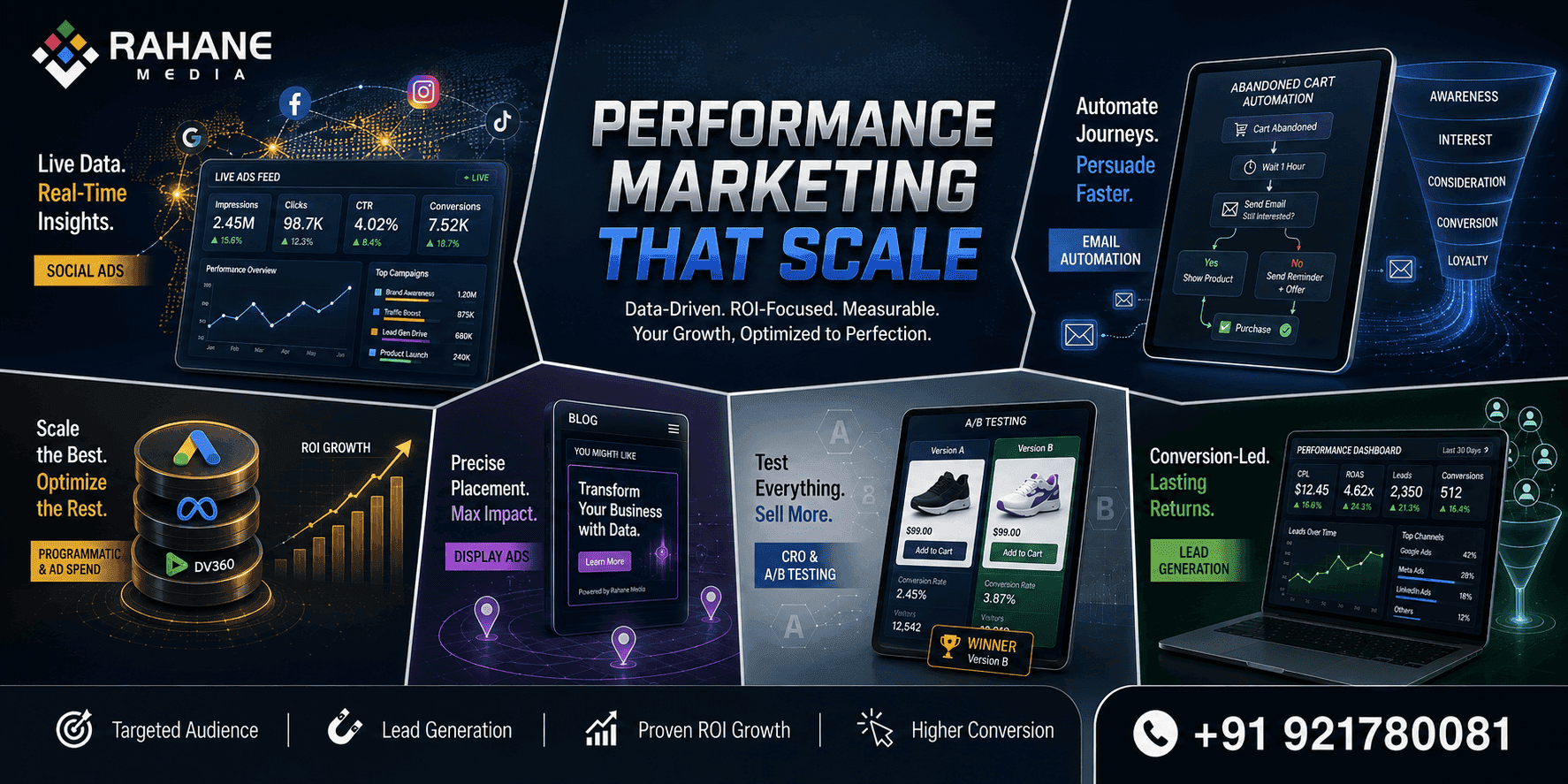
Top 5 Performance Marketing Agencies in India to Consider for Better ROI and Scalable Growth
Performance marketing focuses on measurable business outcomes rather than impressions and reach alone. Leads, purchases, customer acquisition cost (CAC), conversion rate and return on ad spend (ROAS) give businesses a clearer picture of what their advertising budget is actually delivering.
Print Media Advertising: How Smart Brands Are Using Tangible Marketing to Build Trust and Recall
A newspaper, magazine, brochure, poster, or professionally printed brand asset is physical. You can hold it, read it, keep it, and share it. That physical experience can make a message feel more credible and easier to remember.
Airport Advertising Agency: Pricing, Airport Branding & Advertising Strategies That Drive Results
When your target audience includes business leaders, affluent consumers, frequent travelers, and decision-makers, few advertising environments offer the same level of attention as an airport. The right airport advertising agency can help turn that environment into a strong brand-building and lead-generation opportunity.